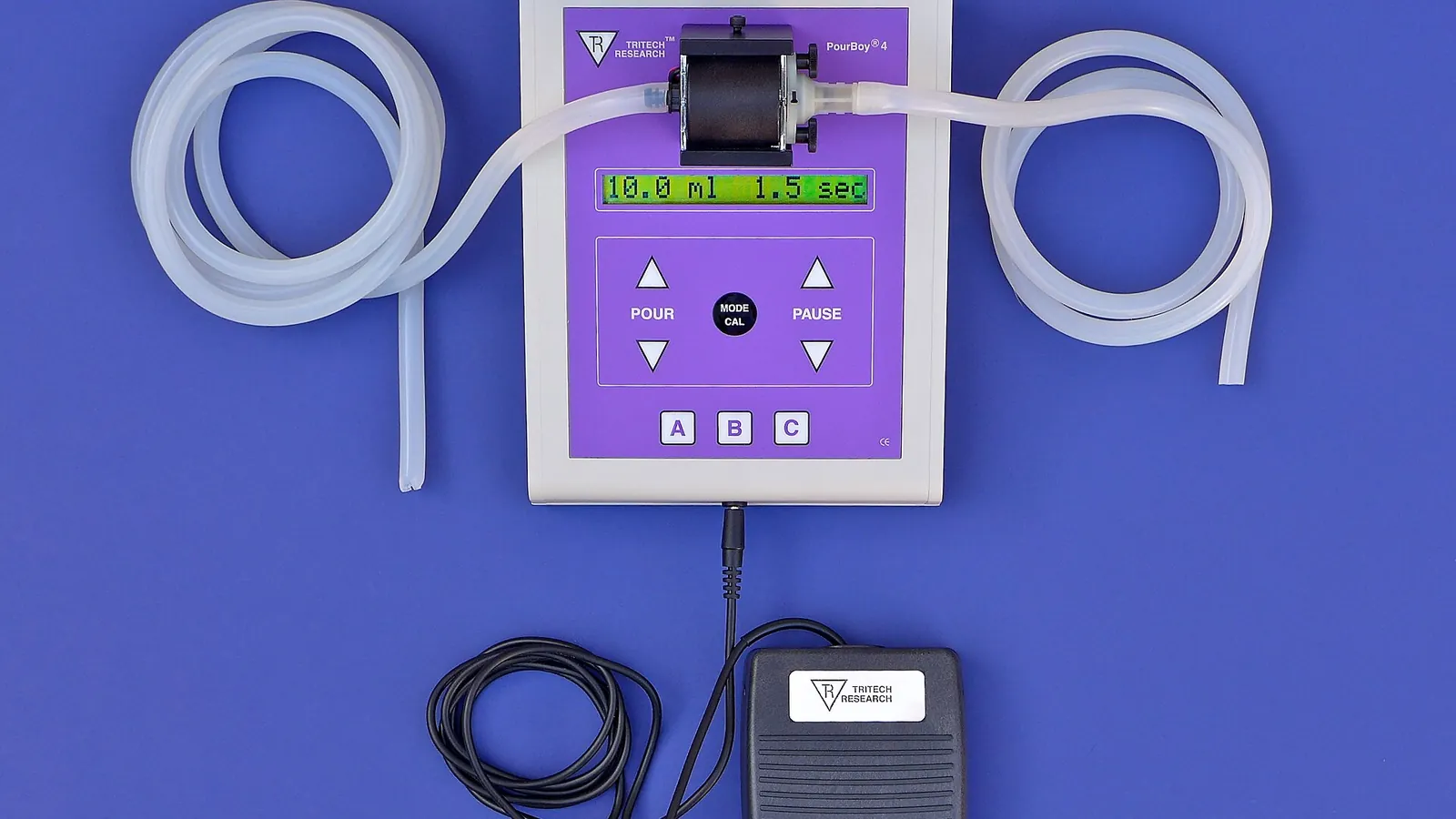
In food processing, the two questions that decide a pump purchase are: does it contaminate the product, and is it worth cleaning afterwards? Peristaltic pumps answer both with the same feature — the product only touches the inside of a disposable tube. No mechanical seals to harbor bacteria, no dead zones, no product trapped in rotor cavities.
Why Food Lines Choose Peristaltic
- Hygienic by design. The fluid path is a single smooth tube. Clean it, autoclave it or throw it away — the pump head never touches the product.
- Gentle transfer. Low-shear pumping preserves texture in sauces, batters, purees and dairy — no emulsification, no aeration.
- Handles particulates. Chunky products (soups, fruit fillings, pet food) pass through without damage because there are no impellers to break them.
- Dry-run tolerant. A hopper that runs empty will not burn out the pump — the tube just keeps rolling.
Food-Grade Tubing: What to Ask For
The tube is the food-contact surface, so its certification matters. For food and beverage service, specify:
- Platinum-cured silicone — the default for food contact; low extractables, transparent, autoclavable. Check FDA 21 CFR 177.2600 compliance for direct food contact.
- Norprene-type TPE — longer life for continuous transfer and pump-and-fill duty; good chemical and temperature tolerance.
- EPDM — for hot water CIP lines and fatty products where silicone degrades.
Always request the compliance documentation (FDA / EU 1935/2004) with your order — your quality team will ask for it at audit time anyway.
FAQ
Can peristaltic pumps handle CIP/SIP?
Yes — the tubing can be cleaned in place with hot water or steam, or replaced with a sterile spare. For SIP, use a tube rated for steam exposure and confirm the autoclave cycle with the manufacturer.
What flow rates are typical for food filling lines?
Filling lines commonly run 0.5–12 L/min per head. A YZ35 head with 82# tubing reaches 12,000 ml/min at 600 rpm; multi-channel YZ15 heads handle lower-volume multi-line filling.
Is the pump head itself food-contact rated?
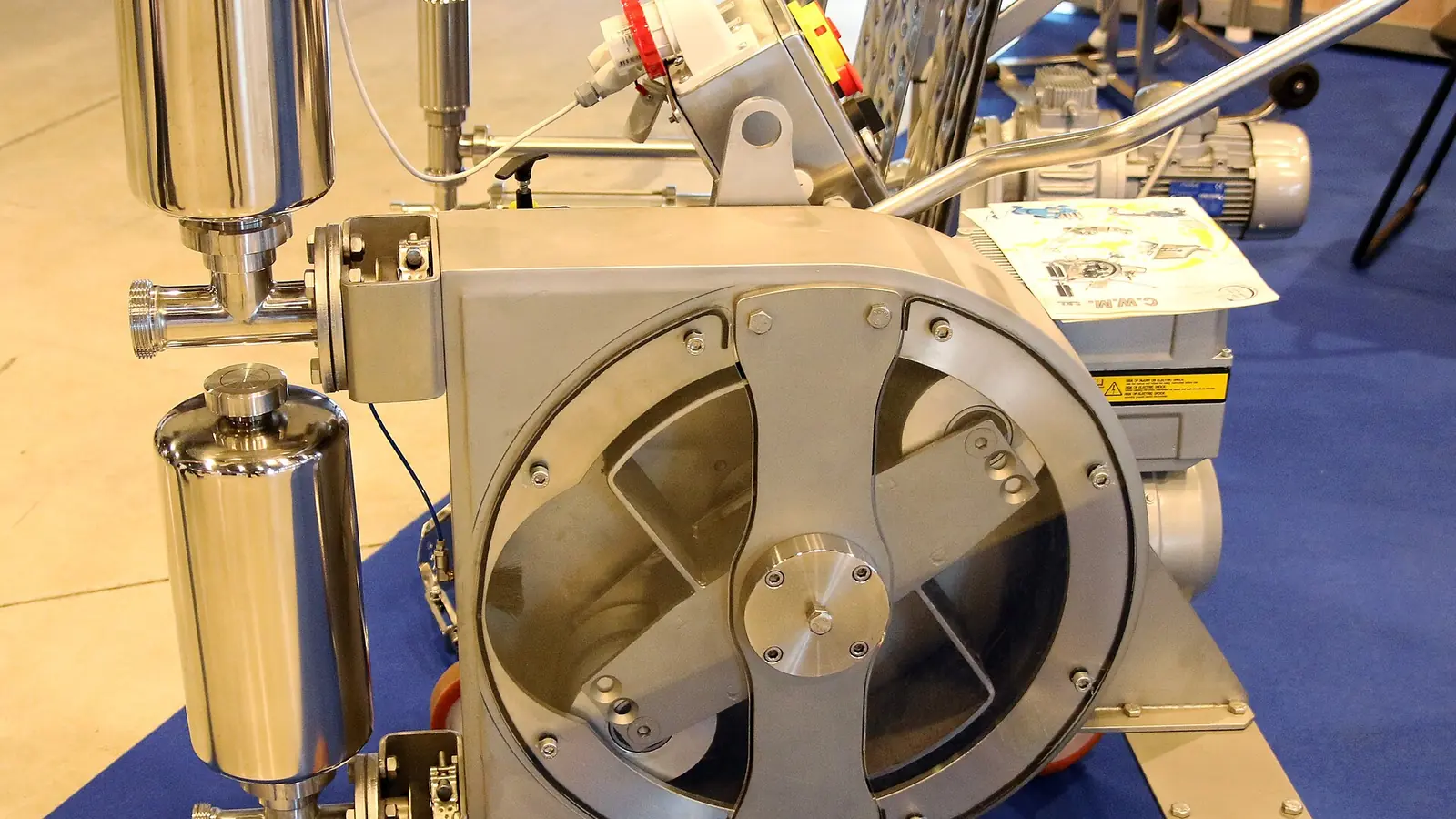
The head does not contact the product, so it does not need food-grade certification — but it should be washdown-friendly (stainless or sealed housing) for hygiene in the production area.