Peristaltic and diaphragm pumps overlap in the low-to-mid flow range — both can dose chemicals, transfer fluids and run continuously — which is why buyers compare them so often. But they are built on completely different principles, and the right choice depends less on the pump's name and more on your fluid, your pressure, and how much you value uptime. Choose peristaltic for the wrong reason (or diaphragm for the wrong reason) and you will pay for it in consumables or in maintenance labor.
This guide compares the two technologies across pumping principle, maintenance, flow accuracy, chemical resistance, pressure range and total cost of ownership — then gives you a checklist to make the call for your application.
How a Peristaltic Pump Works
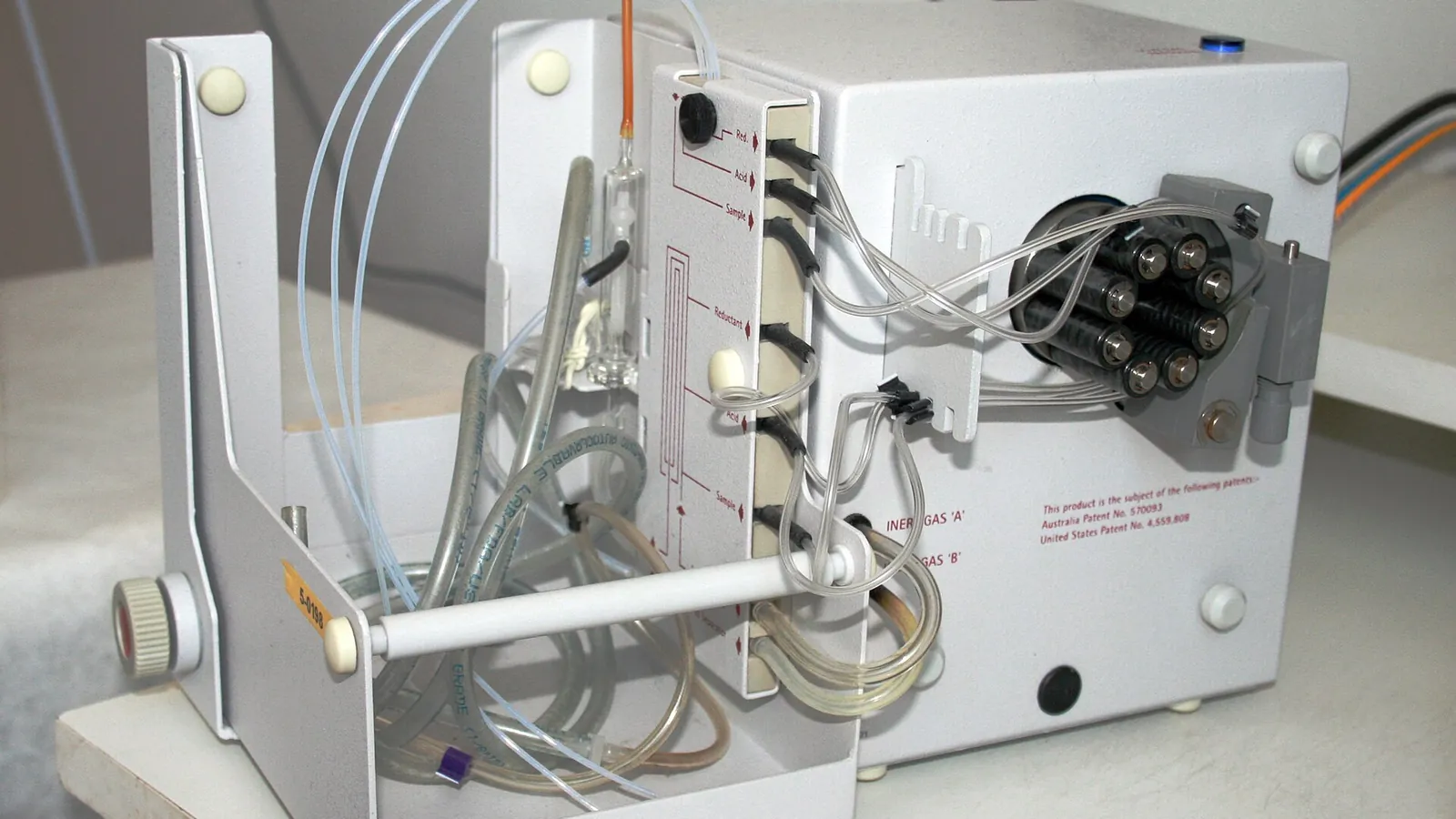
A peristaltic pump moves fluid by squeezing a flexible tube. Rotating rollers press the tube against a fixed track, sealing a pocket of fluid and pushing it forward as the roller travels; when the roller passes, the tube springs back and draws in the next charge. The tube is the entire pump chamber — there are no valves, seals, impellers or internal parts to clog or leak. Flow is set by tube internal diameter, roller speed and the occlusion of the tube, and typical pump heads deliver repeatable flow in the region of ±1%, with precision heads bettering that.
The practical consequences are distinctive: the fluid touches only the tube interior, the pump self-primes and tolerates brief dry running, slurries and viscous fluids pass through without clogging, and the pump is reversible simply by reversing the motor. The trade-off is that the tube is a consumable, and the maximum pressure is limited by what the tube can withstand — typically about 1–3 bar for laboratory heads and up to roughly 7–8 bar for reinforced industrial tubing.
How a Diaphragm Pump Works
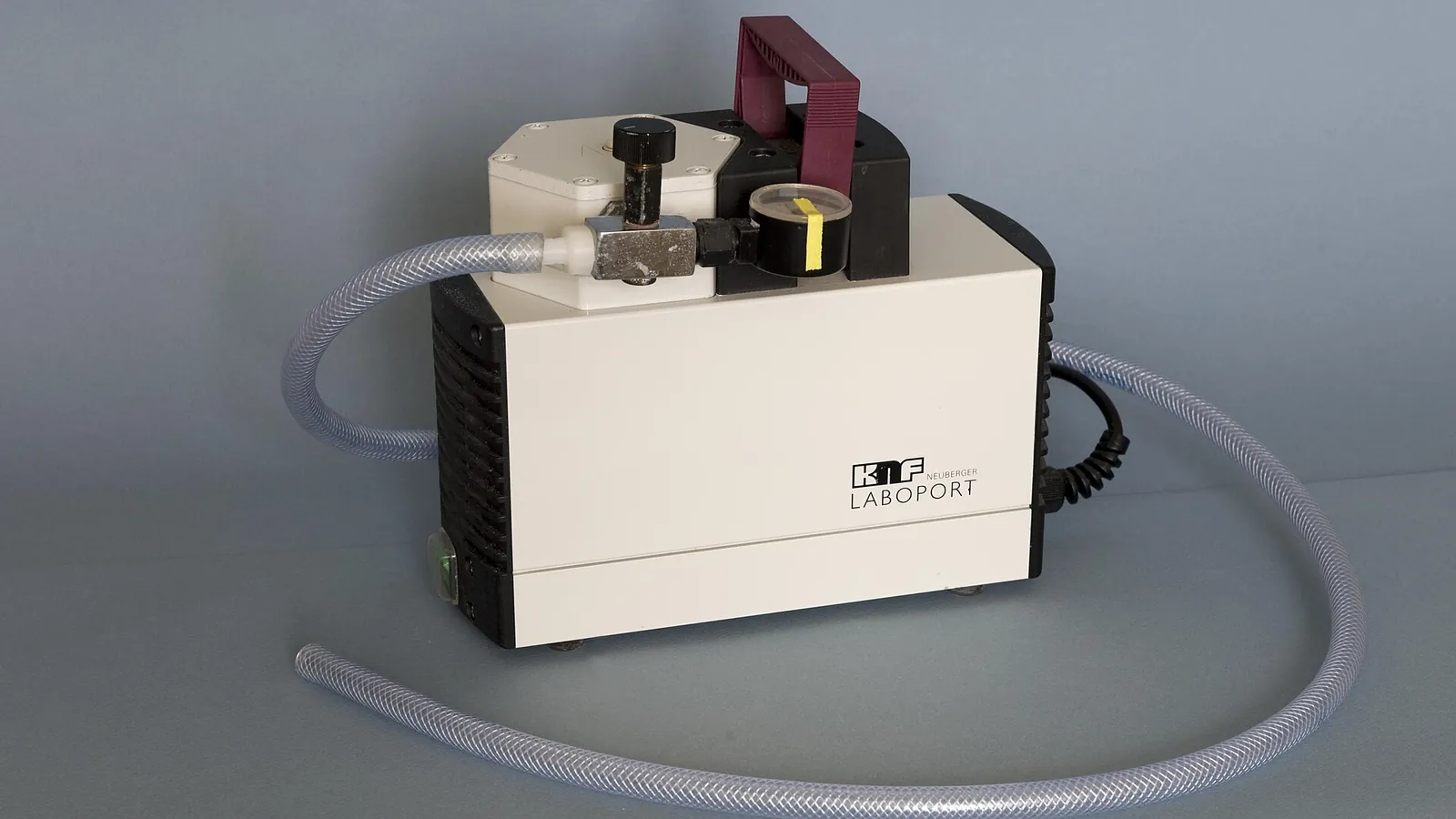
A diaphragm pump displaces fluid with a flexible diaphragm that moves up and down (or back and forth) inside a chamber. On the down stroke the diaphragm pulls back, drawing fluid in through an inlet valve; on the up stroke it pushes fluid out through an outlet valve. The diaphragm is driven mechanically (by a connecting rod, often on an air-operated or motor-driven design) or hydraulically in precision metering pumps, where oil behind the diaphragm provides smoother, more accurate motion.
Because the diaphragm can be made of robust engineered materials and the chamber is rigid, diaphragm pumps reach far higher pressures than peristaltic pumps — transfer types commonly handle 5–10 bar, and hydraulically actuated metering pumps can exceed 100 bar. The costs are the valve train and the diaphragm itself: check valves can be blocked by solids, the diaphragm is a wear item that needs periodic replacement, and dry running is generally not recommended because it can damage the diaphragm.
Head-to-Head Comparison
| Factor | Peristaltic Pump | Diaphragm Pump |
|---|---|---|
| Pumping principle | Rollers squeeze a flexible tube | Diaphragm oscillates, valves direct flow |
| Fluid contact parts | Only the tube interior | Diaphragm, valves and chamber |
| Self-priming / dry run | Self-priming; brief dry running tolerated | Self-priming; dry running generally not recommended |
| Maintenance | Replace the tube in minutes — often no tools | Diaphragm, valve and seal service, more involved |
| Flow accuracy | ±1% typical repeatability (head dependent) | Metering types ±0.5% or better; transfer types ±2–5% |
| Max pressure | ~1–3 bar lab; up to ~7–8 bar industrial | Transfer ~5–10 bar; hydraulic metering 100+ bar |
| Chemical resistance | Set by tube material; easy to swap chemistry | Set by diaphragm/valve materials; harder to change |
| Solids handling | Good — passes slurries and viscous fluids | Limited — solids can block check valves |
| Upfront cost | Lower at low–mid pressure | Higher for metering precision |
| Running cost | Consumable tubing | Lower consumables; higher service labor |
Maintenance: Tube vs Valve
This is the biggest operational difference. With a peristaltic pump, the only wear part is the tube: you loosen the head, slide the old tube out, slide the new one in, and you are back in service in minutes — typically without draining the system or calling a technician. That simplicity is why peristaltic pumps dominate applications where uptime and operator skill level matter.
A diaphragm pump has more moving parts in contact with the process: the diaphragm, the inlet and outlet valves, and seals. These wear, can be blocked by particulates, and require more careful service — removing the head, replacing the diaphragm or valve assemblies, and re-validating. In clean, low-solids duty with long service intervals, that maintenance load is modest; in dirty or aggressive duty, it becomes a real cost. If your team values "replace the tube, done," peristaltic wins this category almost every time.
Flow Accuracy and Control
Both technologies can dose accurately, but they earn it differently. A peristaltic pump delivers repeatable flow because the tube's internal volume is fixed: ±1% repeatability is typical for standard heads, and precision tubing and heads push it lower. Accuracy holds as long as the tube is fresh and correctly sized — which is why tube condition matters more than pump age. Speed control is simple and linear: dial the rpm, get proportional flow, and reverse direction instantly.
Diaphragm pumps span a wider accuracy range depending on type. Simple motor-driven transfer diaphragms typically land in the ±2–5% band, while hydraulically actuated metering diaphragms are the precision instruments of the dosing world, rated at ±0.5% or better with the right stroke adjustment and check valves. If your application is precise chemical dosing at high pressure, the metering diaphragm is the proven tool; if you need repeatable transfer and dosing at low–mid pressure, peristaltic delivers comparable day-to-day accuracy with far simpler controls.
Chemical Resistance and Fluid Compatibility
Peristaltic pumps have a structural advantage here: the fluid touches only the inside of the tube. Change the chemistry, change the tube. Silicone, EPDM, Norprene-type TPE, PTFE-lined — each material covers a different chemical family, so a single pump head can handle water one week and a solvent the next by swapping a consumable. That flexibility is unique to peristaltic design.
Diaphragm pumps are built for chemistry too, but the whole wetted path — diaphragm, valves, seals, head — must be compatible with the fluid. Specifying a diaphragm pump for a new chemical often means re-selecting materials on several components, which is slower and costlier than swapping a tube. Where a process is fixed and permanently aggressive (concentrated acids, high-purity dosing at high pressure), a well-specified diaphragm pump is a strong, stable choice.
Pressure and Flow Range
Pressure is where the technologies divide cleanly. Peristaltic pumps are low-to-mid pressure machines: most laboratory heads are rated around 1–3 bar, and reinforced industrial tubing pushes the practical ceiling to roughly 7–8 bar. Above that, the tube itself cannot hold the fluid — no tube material changes that physics. Diaphragm pumps step in where pressure matters: transfer diaphragms handle 5–10 bar routinely, and hydraulic metering pumps go well beyond 100 bar.
Flow ranges overlap at the low end — both serve milliliters-per-minute dosing and liters-per-minute transfer — but peristaltic flow scales with tube size and speed across a wide band, while diaphragm flow is set by stroke length, stroke frequency and diaphragm size. If your process needs sustained high pressure, choose diaphragm; if it needs flexible, gentle, solids-tolerant transfer below about 7 bar, peristaltic is the simpler tool.
Cost: Purchase Price vs Total Cost of Ownership
On purchase price alone, peristaltic pumps are usually the cheaper technology at low-to-mid pressure: a pump head, a motor and a tube. The recurring cost is the tube, which is inexpensive per meter but is a consumable — budget for replacements based on your duty (see our tube life guide). Diaphragm pumps cost more upfront, especially precision metering models, and consumables are cheaper over time, but maintenance labor, spare diaphragm and valve kits, and downtime during service add up.
A fair comparison looks at total cost over three to five years: purchase price, consumables, service labor and lost-production time. For many batch and continuous processes below 7 bar, the peristaltic's five-minute tube change and minimal downtime make it the lower total-cost option. For high-pressure, high-purity, round-the-clock dosing, the metering diaphragm's durability and precision justify its higher price.
How to Choose: A Practical Checklist
- Pressure above ~7–8 bar? Choose a diaphragm pump — peristaltic tubing cannot hold the pressure.
- Slurries, viscous fluids, or solids? Choose peristaltic — no valves to block, gentle on shear-sensitive media.
- Frequent chemistry changes? Choose peristaltic — swap the tube instead of re-specifying wetted parts.
- Precision metering at high pressure? Choose a hydraulically actuated diaphragm metering pump.
- Repeatable dosing at low–mid pressure? Peristaltic gives ±1% class accuracy with simpler controls.
- Dry-run risk or unprimed starts? Peristaltic tolerates brief dry running; protect a diaphragm pump with controls.
- Minimal maintenance skill on site? Peristaltic — a tube change beats a diaphragm service every time.
- Long unattended service intervals? Evaluate a quality diaphragm pump or a long-life tube (EPDM/Norprene-type) peristaltic head.
FAQ
Which pump is more accurate: peristaltic or diaphragm?
At low-to-mid pressure, a peristaltic pump with fresh, correctly sized tubing delivers ±1% class repeatability with simple speed control. At high pressure, hydraulically actuated diaphragm metering pumps reach ±0.5% or better. The right answer depends on your pressure and duty.
Can a peristaltic pump handle high pressure?
Within limits — typically 1–3 bar for lab heads and up to roughly 7–8 bar with reinforced industrial tubing. Beyond that, tube materials cannot hold the fluid, and a diaphragm pump is the appropriate technology.
Which has lower total cost of ownership?
Below about 7 bar with routine service, peristaltic usually wins on total cost because tube changes are fast and cheap. High-pressure, high-purity continuous dosing favors diaphragm pumps, where the higher upfront price buys durability and precision.